

Cambodian Buddhism : ค้นหาหนังสือธรรมะ หน้า 12 / 34
หน้าหนังสือทั้งหมด
118
The Future of Buddhism and Education in Thailand
Meeting #18
9AM - 19 March 2010
Today, Luang Por is somber. His whole demeanor has changed from one of the joviality he displayed yesterday to one of crucial significance. I am not sure why, but I th
In this significant meeting, Luang Por emphasizes the vital role of teachers in shaping the future of Buddhism and education in Thailand. He discusses the three meanings of Dhamma, highlighting the ne
124
Meetings with a Dhamma Master
Meetings with a Dhamma Master
is a more coarse way to judge good and/or bad, we might not have the best way but at least people can live with one another. In addition to custom or tradition, we can a
The text explores how good and bad actions are judged in Buddhism, emphasizing the importance of intention in determining Kamma. It reflects on the historical context of societal divisions due to misu
142
Self-Responsibility and Social Development in Buddhism
Suzanne Jeffrey
And that’s where we close the circle. We do it for ourselves because we have to develop ourselves before we can develop anything else … but everything about us affects all of the peop
The text discusses the necessity of self-development before aiding others, emphasizing self-responsibility post-birth. It highlights the crisis of independence and the importance of moral boundaries i
48
Academic Activities of the Dhammakaya Foundation
ACADEMIC ACTIVITIES
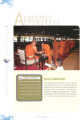
School Student Scholarships
The Dhammakaya Foundation has
for many years awarded over 3,200
academic scholarships annually
for outstanding schoolchildren and
novices.
Provision of
The Dhammakaya Foundation has awarded over 3,200 academic scholarships annually to outstanding schoolchildren and novices. Additionally, it supports members of the monastic and lay communities in purs
30
The Four Positions of Catuskoti in Mahāyāna Buddhism
Ruegg, David Seyfort.
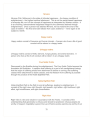
1977 The use of the four positions of the Catuskoti and the problem of the description of reality in Māhāyana Buddhism. Journal of Indian Philosophy Vol.5: 1–171. cited in Wester
This text examines the use of the four positions of the Catuskoti in Mahāyāna Buddhism and its significance in the understanding of reality. The philosophical underpinnings of Nāgārjuna's Madhyamaka a
72
Understanding Nirvana and the Path to Enlightenment
Nirvana
Nirvana (Pali, Nibbanna) is the state of ultimate happiness -- the happy condition of enlightenment -- the highest spiritual attainment. This is not the sense-based happiness of everyday life;
Nirvana, or Nibbanna, represents the ultimate state of happiness in Buddhism, transcending the sense-based joys of daily life. Attaining Nirvana marks the end of the rebirth cycle, granting liberation
30
The Story of Phra Rohana and Phra Nagasena
The story of Phra Rohana and Phra Nagasena
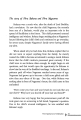
Rohana was a monk who, after the death of Lord Buddha,
had a revelation. He saw that the child Nagasena, the recently
born son of a Brahmin, would play an i
The story unveils the dedication of monk Phra Rohana, who recognized the potential of the intelligent child Nagasena at birth. Despite never receiving alms from Nagasena's family, Rohana visited daily
38
Qualifications for Monk Ordination
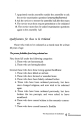
7. Appointed monks assemble outside the assembly to ask the novice examination questions (antarayikadhammma)
8. Ask the novices to reenter the assembly hall after the exam
9. The novice must then requ
To be ordained as a monk, an individual must meet specific qualifications, including being at least 20 years old. Certain groups are forbidden from ordination: homosexuals, hermaphrodites, and those w
81
Direct and Indirect Benefits of Achieving Arahant Status
Direct benefits.
1. For people who no longer suffer from desire or lust, and have become an Arahant, they will receive the benefits as follows:
a. All of your old suffering from the past will disappea
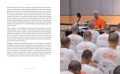
Achieving Arahant status brings both direct and indirect benefits. Directly, individuals free from desire will see past suffering vanish, prevent future suffering, and embody good moral conduct, becom
8
Journey to Enlightenment: Understanding the Dhamma
When later in life he met Khun Yai Ajahn he learned of the three levels of life’s goals and became further motivated by the realization that all human beings are prisoners on ‘Death Row’, this knowled
The text discusses a man's journey after meeting Khun Yai Ajahn, discovering life’s goals, and understanding that humans are prisoners on 'Death Row.' He learns that sharing knowledge can illuminate t
12
A Dhamma Lecture
"The Protection of Buddhism"
in an Age of High Technology
By Phrabhavanaviriaykhun
Room SPD 7, the Dhammakaya meditation Hall
Saturday, December 15, 2007
9 :00 to 10 :45
at the
14
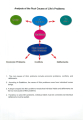
Analysis of the Root Causes of Life’s Problems
Analysis of the Root Causes of Life’s Problems
The Root Causes of Life’s Problems
Economic Problems Conflicts Defilements
Buddhism
The Individual
The Mind
Habits
Root Causes of Life’s Problems
This text discusses the analysis of life’s problems through a Buddhist lens, identifying economic issues, conflicts, and personal defilements as root causes. It asserts that these problems originate f
51
Antarābhava in Buddhist Texts
KRITZER, Robert. "Antarābhava in the Vibhaṣā." Notom Damu Joshi Daigaku Kirsutokyo Bunka Kenkyojo Kiyo (Maranata) Vol.3, No.5 (1997): 69-91.
QIÁN, Lin. "The antarābhava Dispute Among Abhidharma Tradit
บทความนี้สำรวจประเด็นเกี่ยวกับ antarābhava ในธรรมบัญญัติต่าง ๆ ของพุทธศาสนา โดยนำเสนอการสนทนาเกี่ยวกับข้อเสนอทฤษฎีจากอาจารย์หลากหลายคน เช่น Robert Kritzer, Lin Qián, และ O.H. De A. Wijesakera ที่มีการ
50
ธรรมธาราวรรณวาสนา วิถีแห่งพระพุทธศาสนา
152
ธรรมธาราวรรณวาสนา วิถีแห่งพระพุทธศาสนา
ปีที่ 7 ฉบับที่ 2 (ฉบับรวบรวม 13) ปี 2564
3. คัมภีร์ภาษาจีน
Taishō Issaikyō Kankōkai 大正一切經刊行會 (Taisho Tripitaka PublicationAssociation). Taishō Shinshū Daiz
เนื้อหานี้สรุปหัวข้อที่เกี่ยวกับพระพุทธศาสนาและการศึกษา รวมถึงคัมภีร์ภาษาจีนและอังกฤษที่สำคัญ เช่น Taishō Shinshū Daizōkyō และ The Numerical Discourses of the Buddha. นอกจากนี้ยังมีหนังสือและวารสารที่
52
Only Spiritual Attainment Can Help Us
55. ONLY SPIRITUAL
ATTAINMENT CAN HELP US
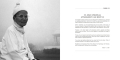
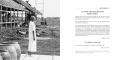
In the entire universe, there is only one refuge from suffering for us, and that is meditative attainment. Hold on to it. Even if you see only a brief flash
In the universe, the only refuge from suffering is meditative attainment. This practice allows the mind to penetrate deep into Nibbana, achieving a state of bliss. However, worldly attachments can dra
61
Building Merit through Support in Buddhism
Support one another in achieving merit! While you are still young, use that youthful energy to support the work of Buddhism. Make a wish for your good work to bring you good merit.
The more determin
This text discusses the significance of supporting one another in achieving merit within Buddhism. It emphasizes using youthful energy for good deeds and highlights that determination influences the a
125
Understanding Key Buddhist Concepts
"Fools" (palay): spiritually defective people. A fool is someone wicked, weak, or feeble in a moral sense. His discretion is faulty, not knowing right from wrong, good from bad. A fool is one who give
This content delves into various Buddhist concepts such as 'fools'—spiritually defective individuals whose actions reflect moral weakness. It explains that heaven in Buddhism comprises six levels prov
2
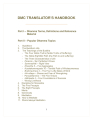
DMC Translator’s Handbook
DMC TRANSLATOR’S HANDBOOK
Part I -- Dhamma Terms, Definitions and Reference Material
Part II – Popular Dhamma Topics
1. Buddhism
2. The Buddha’s Life
3. The Teachings of the Buddha
- The Four Nob
The DMC Translator’s Handbook provides essential references on Dhamma terms and popular topics in Buddhism. It encompasses teachings like the Four Noble Truths, the Noble Eightfold Path, and meditatio
19
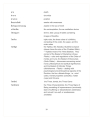
Understanding Buddhism: Key Concepts and Texts
death
chronicle
position
awake with awareness
awake in the sea of merit
fire contemplation; fire as meditation device
shrine; altar; group of tables containing images of Buddha
triple robe; the three
This text delves into crucial Buddhist principles including the Tipitaka, which is a comprehensive scripture forming the foundation of Buddhist teachings. It encompasses three baskets: Vinaya Pitaka,
28
Understanding Sin in Buddhism vs. Western Religions
-- The usage of the word "sin" can be inappropriate or misleading when one attempts to discuss Buddhism, as its concept and meaning have already been ingrained in the mind of a westerner as something
การใช้คำว่า 'บาป' อาจไม่เหมาะสมเมื่อพูดถึงพุทธศาสนา เนื่องจากความหมายของคำนี้ถูกฝังอยู่ในจิตใจของชาวตะวันตกว่าทุกคนเกิดมาพร้อมกับบาป ในศาสนายูดาย คริสต์ และอิสลาม บาปเกิดจากการไม่ปฏิบัติตามคำสั่งของพร